Frauscher Sensor Technology has completed the divestiture to Wabtec Corporation.

Find Out More
Increasing Availability at Adra Yard | India
Train DetectionIndia

Increasing Availability at Adra Yard

Operator
Indian Railways - South Eastern Railway
Country
India
Partner
MRT
Segment
Main & Regional Line
Application
Track Vacancy Detection
Products
RSR180, FAdC®
Year
2022
Scope of project
139 counting heads, 97 track sections

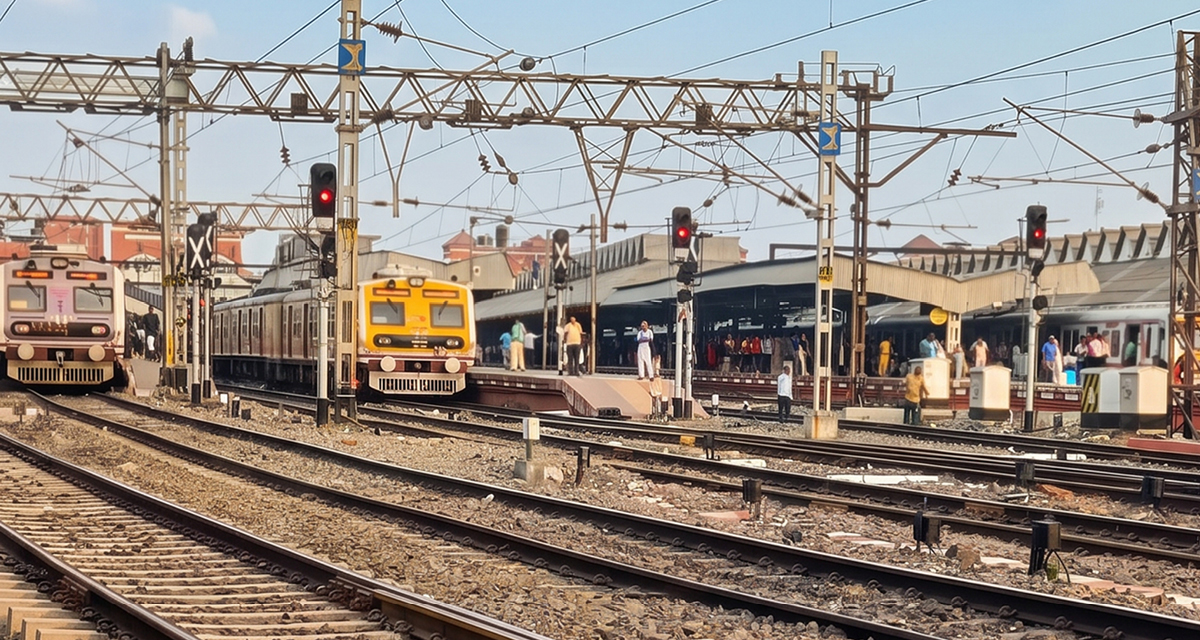
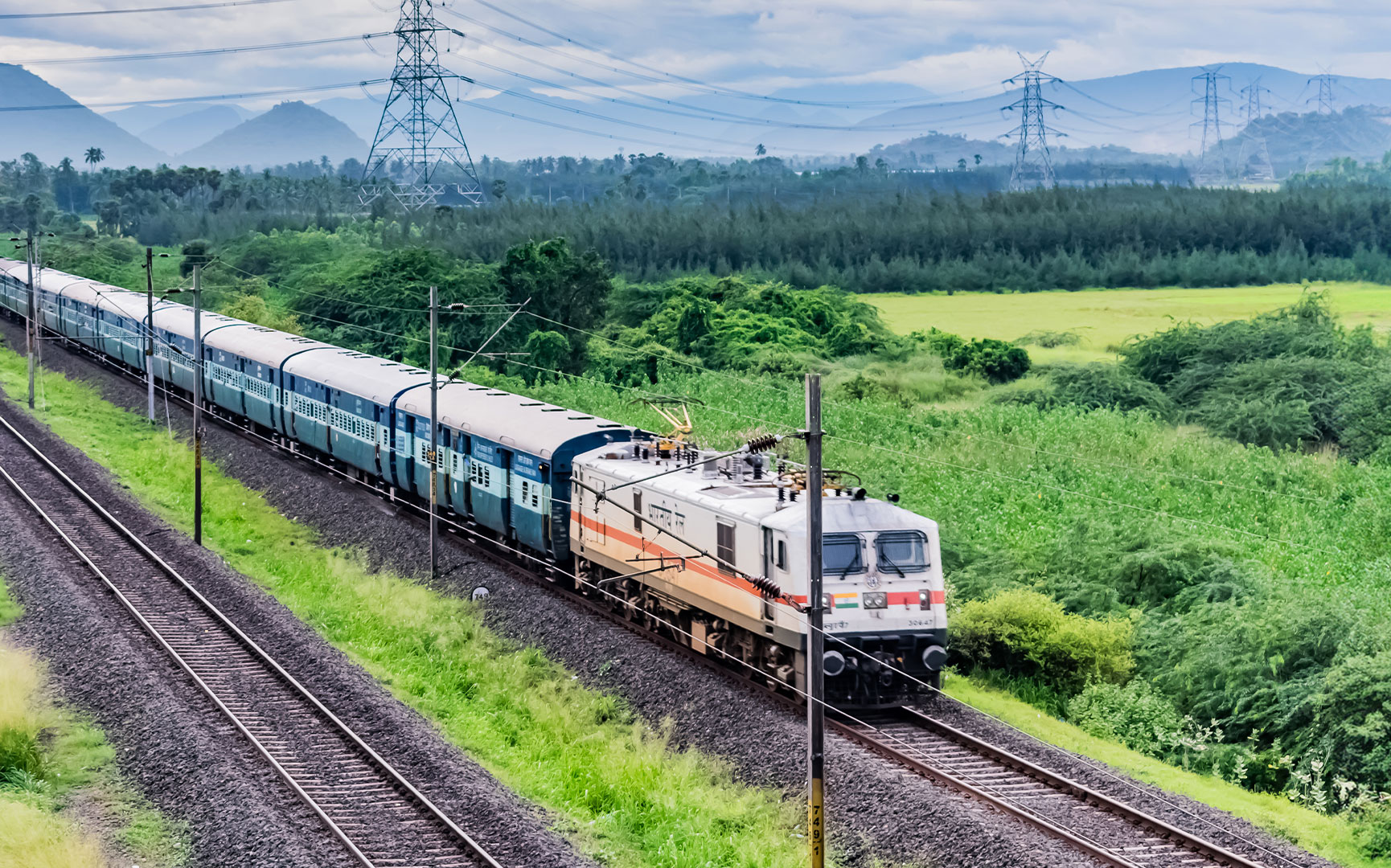
Adra Yard belongs to the Southeastern Railway Zone of Indian Railways and is in West Bengal. Initially the yard was equipped with track circuits and there was a requirement to get them replaced with the Frauscher Advanced Counter FAdC®. This project is one of Frauscher’s esteemed Indian Railway Projects with a coverage of 139 counting heads and 97 track sections.

In this project, the FAdC® is placed in the Central Location as well as in three different end cabins. All four locations are connected in ring structure with redundant path of optical fibre cable for communication. Both the Frauscher Diagnostic System FDS are placed in Central Location and configured to connect to the rail network for remote diagnostic. The vital output of all track sections is in Central Location which is further connected to the Electronic Interlocking. Reset of all track sections can be carried out in Central Location.

The Frauscher Advanced Counter FAdC® is highly flexible regarding design and architecture. The Wheel Sensor RSR180 was also utilised, being rated IP68 protection class (waterproof) which means it is immune to floods, moisture or water. Due to the adverse weather conditions in this area, the wheel sensor’s ability to withstand such conditions is particularly useful.

Easy and cost-effective integration

Greater cost saving due to distributed architecture and lower maintenance requirement.

Increasing availability

Greater uptime and availability due to resistance to adverse weather.

Similar Projects
This might also interest you
1/5
Train DetectionIndia

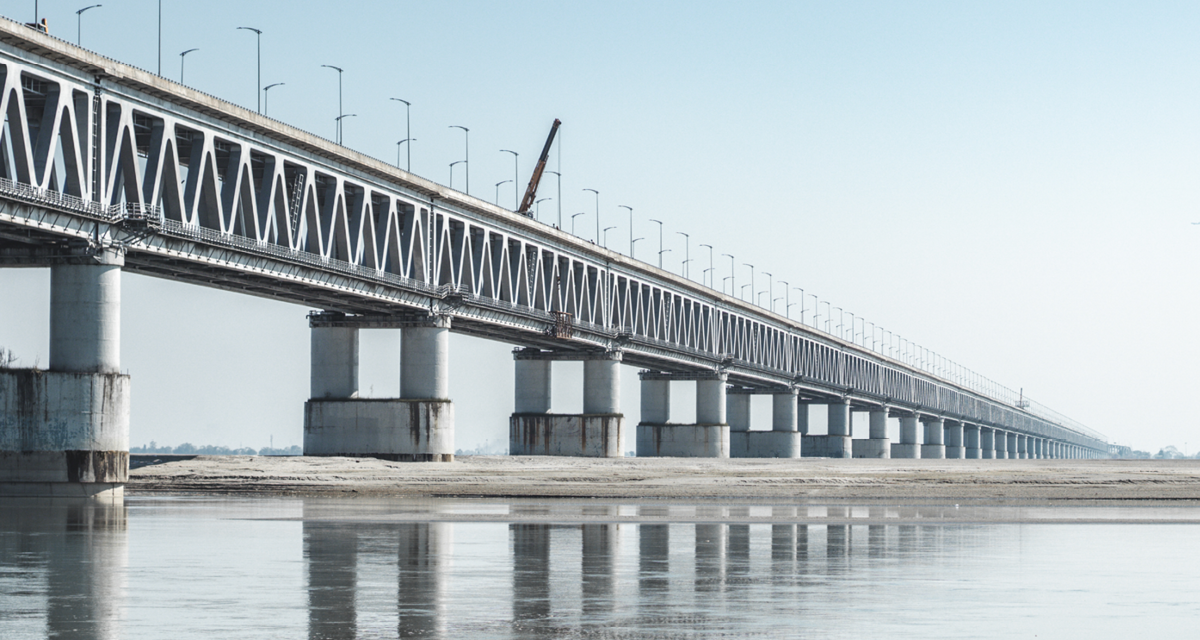
Ensuring reliable rail operations across India´s longest rail-road bridge
The Bogibeel Bridge is India’s longest rail-road bridge that connects Assam and Arunachal Pradesh, carrying both rail and road traffic across the Brahmaputra River. Harsh environmental conditions and structural constraints made conventional signalling unworkable. The Frauscher Advanced Counter FAdC® axle counting system was selected for its proven reliability and low maintenance under these challenging conditions.
Train DetectionDenmark

Renewal signalling FAdC® and RSR123

Banedanmark, the Danish railway infrastructure owner, started replacing the existing signalling system in the Eastern region of Denmark in 2009 to implement the newest proven signalling technology, based on standard industrial hardware components and redundant system configurations. Uniform system interfaces should reduce signalling failures to provide a better reliability and punctuality of the entire network. For this project, Frauscher delivered the Frauscher Advanced Counter FAdC® and the Frauscher Wheel Sensor RSR123.
Train DetectionFrance

Axle counting adds fail-safe control to laser diagnostics

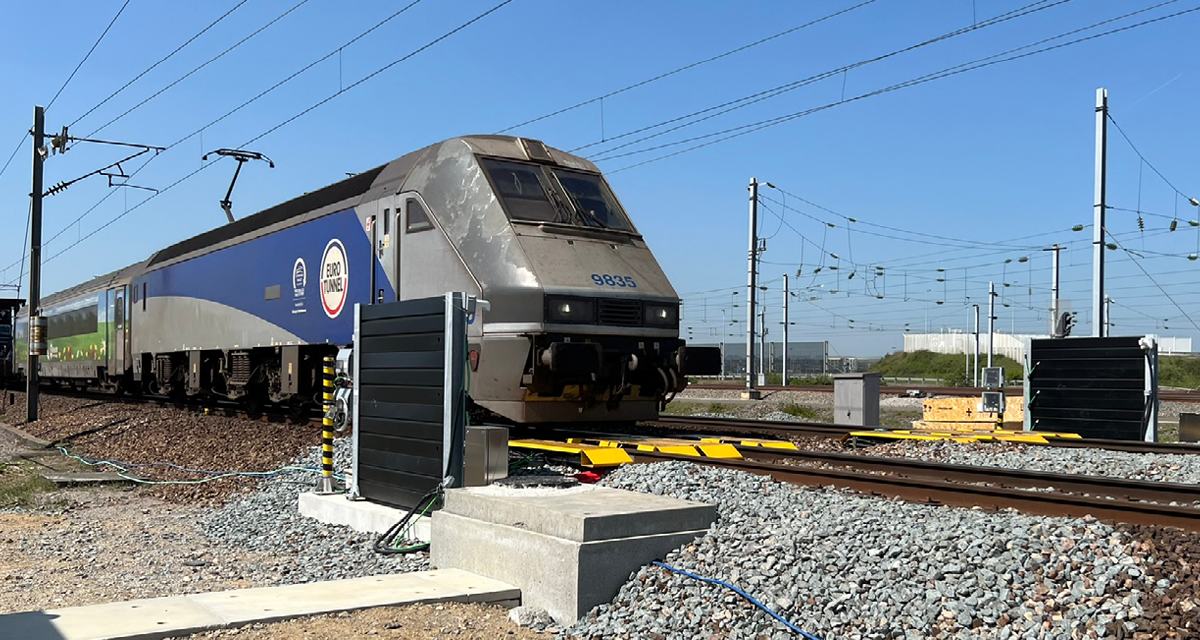
When MERMEC set out to install a laser-based Wheel Profile Measurement System in close proximity to the Eurotunnel, they faced a critical challenge: how to avoid unintended laser exposure without compromising the system’s ability to inspect up to 200 trains per day. To meet these requirements, MERMEC partnered with Frauscher.
Train DetectionUnited States of America

Charlotte Area Transit System (CATS) Supplementing Audio Frequency Track Circuits with Axle Counters

At the Charlotte Area Transit System, frequent false red signal overruns resulted when electromagnetic interference caused “bobbing” of the line’s audio frequency track circuits. The Frauscher Advanced Counter FAdC® was subsequently considered as an alternative to these track circuits to eliminate the occurrence of false red signal overruns.
Train DetectionUnited States of America

Tracking Trains in Houston

Houston MetroRail (METRO for short) is comprised of three light-rail lines covering 22 miles. Two-car, low-floor trainsets are powered by overhead catenary and operated on a mix of rail types, including embedded, grooved, concrete, and ballasted track. Harsh weather conditions such as extreme heat, humidity, and storms with heavy rains causing floods are typical for Houston. Combined with the variable track structure this caused significant malfunctions of the wheel sensors of METRO’s signalling system.