
Notification Center

Frauscher Marketing
Nov 18, 2026 | 5 min read
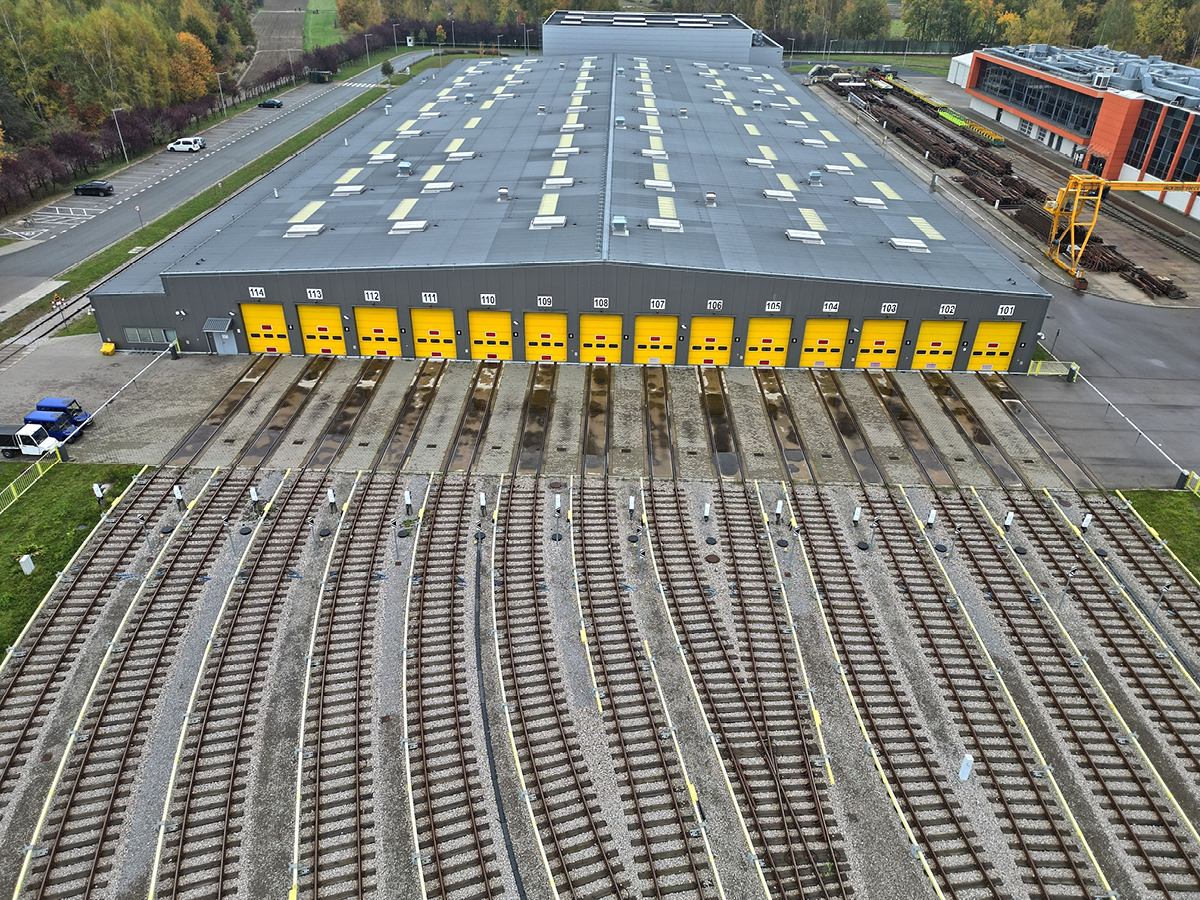
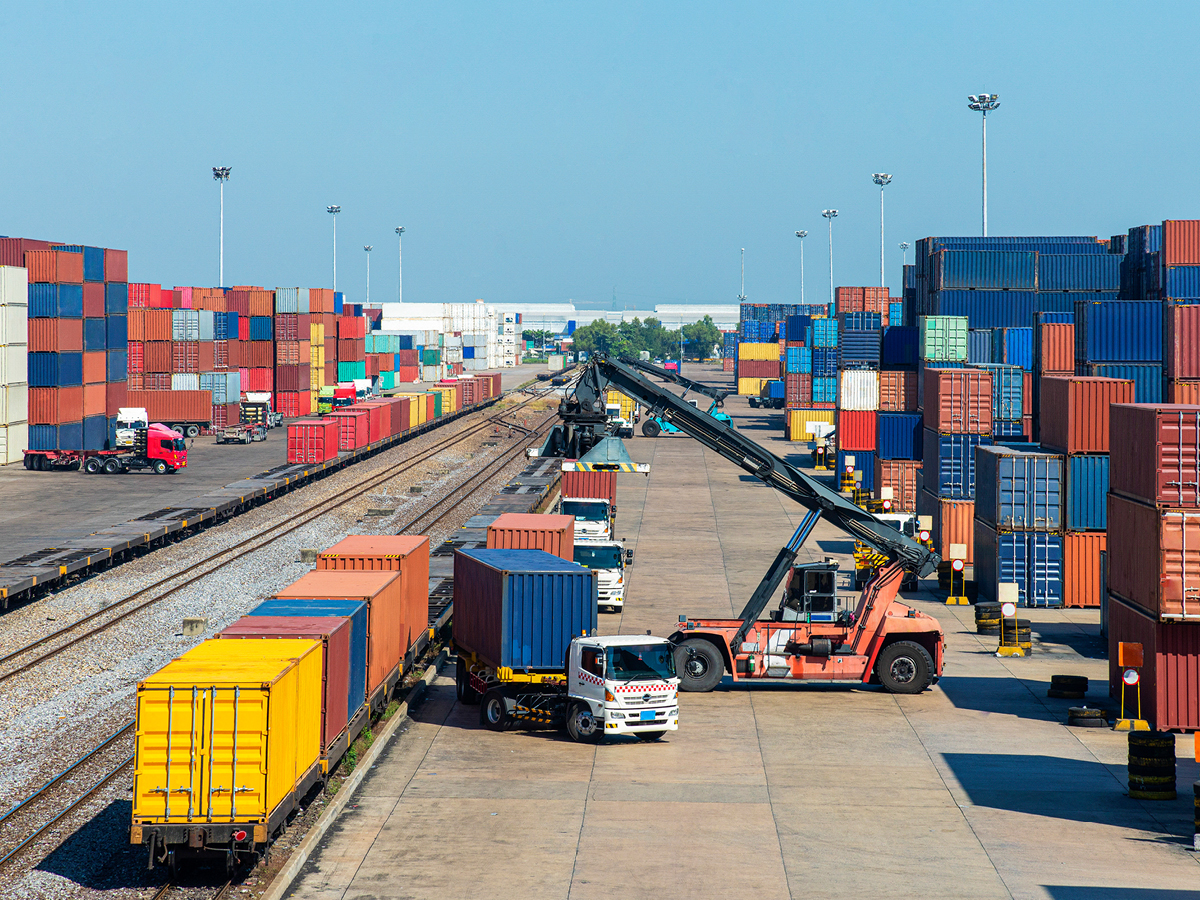
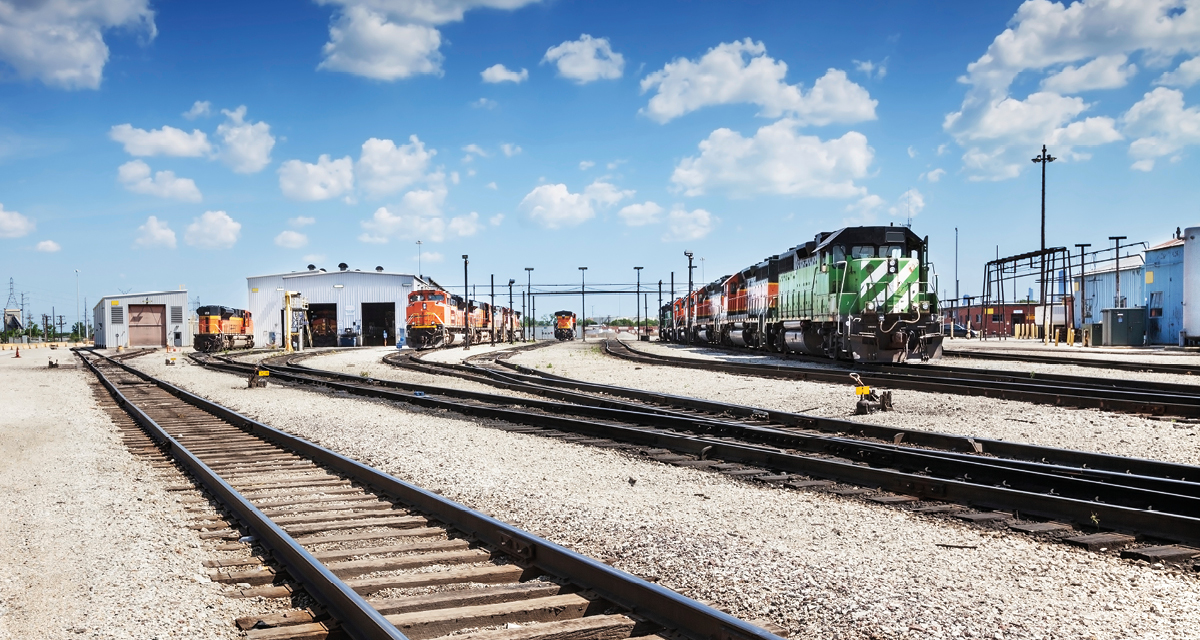
Yards, ports, mining sites and industrial facilities have a variety of signaling needs to maintain efficient operations, but often these needs can be met without implementing a costly and complex vital signaling system. Facilities in these areas often operate under sub-par conditions that present problems for some technologies, such as track circuits that can fail due to water, snow, or deteriorated track and ballast, as well as external influences such as electromagnetic interference and extreme temperatures. There is a need in these non-public areas for a simpler, non-vital system that requires a small footprint, as space constraints are often present. The Frauscher Track Vacancy System FTVS, in combination with the Frauscher Wheel Sensor RSR310, can easily solve this combination of challenges.
In many non-public environments – yards, ports, mining, and industrial facilities, safe train detection is important, even for non-vital applications. Protecting switch points, monitoring storage tracks, or triggering automated equipment all depend on accurately detecting vehicle presence. Conventional train detection technologies such as track circuits are prone to false readings due to oil contamination, moisture, corrosion, electromagnetic interference and degraded ballast – conditions that are common in these types of facilities. Vital axle counting systems built for passenger and freight networks require a level of documentation, validation and lifecycle rigidity that is not required for non-vital applications. Non-vital axle counters require a small footprint giving operators the flexibility to fit components where space is an issue, support installation that is simpler and quicker, and keep long-term maintenance to a minimum.
Even for non-vital applications, railroads are still expected to meet minimum safety standards for operations such as non-vital (SIL 0). A malfunction in these systems does not create a direct safety hazard, but often must still meet general safety standards. Assessing which safety standards apply to a given non-public site or application remains the responsibility of the operator.
The FTVS is designed specifically for this category by providing the reliability of inductive wheel detection without the cost and complexity of a vital system.
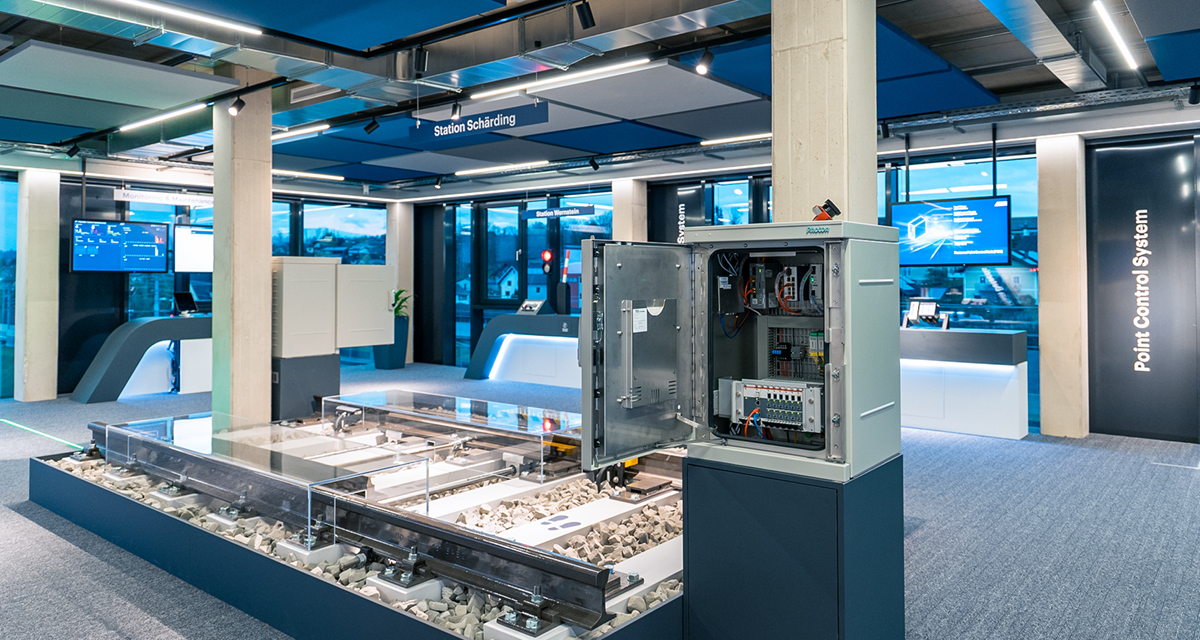
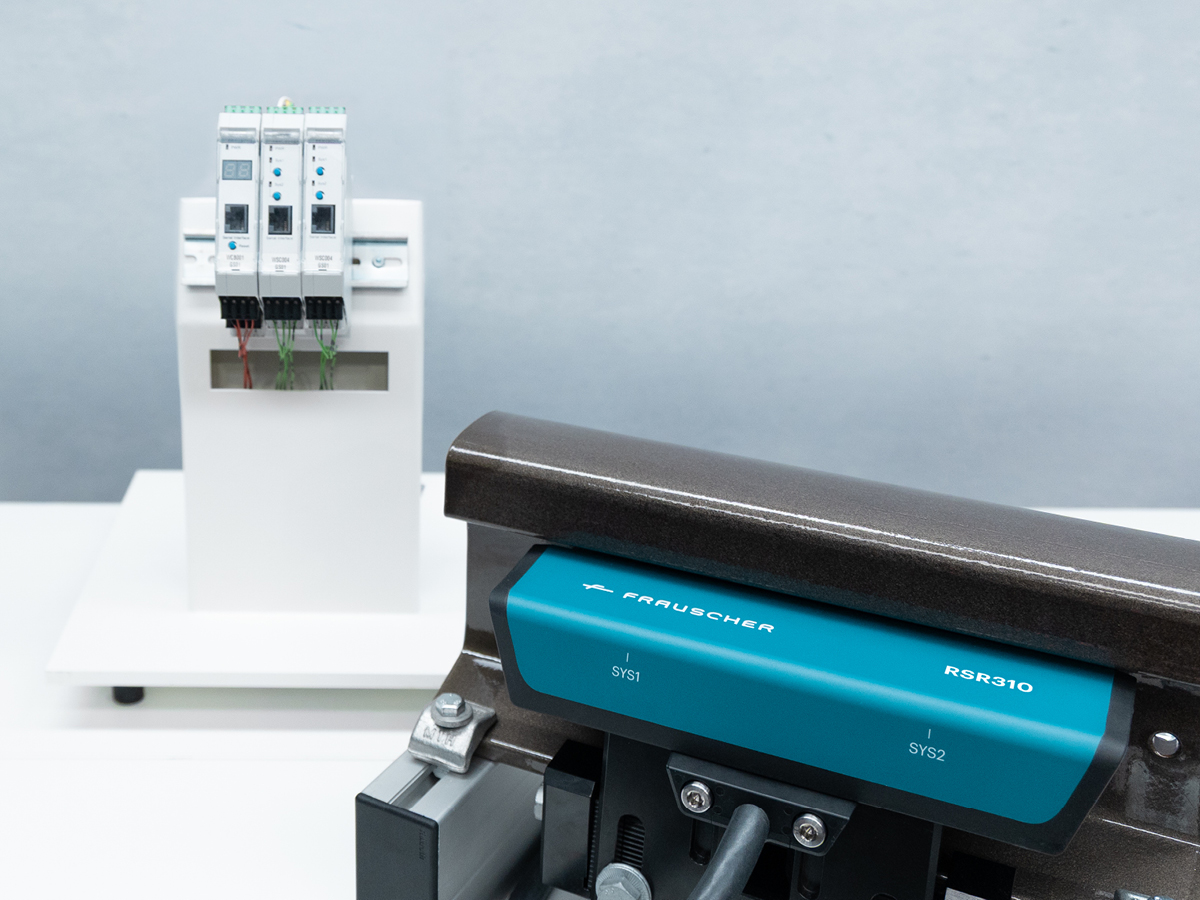
The FTVS combines the RSR310 trackside component with two indoor components. The Wheel Sensor Signal Converter WSC converts the sensor's analog signal into digital outputs. The Wheel Counting Board WCB then evaluates the occupation status of each track section and provides it as dry contact outputs via optocouplers. These outputs are compatible with any higher-ranking control system, so no protocol-based interface is needed to integrate FTVS into existing systems. All indoor components mount on a standard DIN rail in a wayside enclosure, keeping the footprint to a minimum. Calibration is carried out via the indoor equipment, reducing time spent trackside.
The RSR310 is an inductive wheel sensor: the sensor’s electromagnetic field registers a measurable change in the current that results from a passing wheel. Unlike track circuits, the RSR310 is not compromised by water, snow, ice or deteriorated track or ballast, and does not require drilling or insulated rail joints. The wheel sensor is mounted directly to the rail using the Frauscher rail claw, and can withstand temperatures from 40ºF to +185ºF (-40 °C to +85 °C). The RSR310 is IP68 rated, and is electromagnetic compatibility certified to EN 50121-4 and AREMA 11.5.2. Cable runs of up to four miles (6.4 kilometers) are supported, reducing infrastructure requirements for distributed installations.
FTVS has acquired extensive field validation. It was originally developed to accommodate the demanding conditions of freight yards in the United States and Canada, and has since proven itself across a variety of North American installations. FTVS has now been deployed in yards, ports, mining and industrial facilities globally, including Austria, Germany and the Netherlands, with others in process.
Typical applications for the FTVS and RSR310 include the protection of switch points, end-of-track warning systems, vacancy information for storage tracks, and establishing precise fouling points, as well as other automation tasks. Because the WCB's dry contact outputs work without a protocol-based interface, FTVS can also trigger third-party equipment directly, such as warning signals, automated gates, or wherever a simple, hardware-based connection is preferable to a more complex digital integration.
Operators needing non-vital train detection in yards, ports or industrial environments can avoid implementing the track circuits that struggle with the very conditions these sites present, or a more complex, vital axle counter. FTVS and the RSR310 close this gap with a non-vital axle counting solution that combines proven inductive sensing, a compact and space-saving design, and installation without drilling. Already proven in projects across several countries, the system gives operators a dependable way to keep non-vital train detection reliable without adding complexity they don't need.
Share this post
Interested in FTVS or RSR310?
Have questions about which train detection solution fits your application?
Share this post
Interested in FTVS or RSR310?
Have questions about which train detection solution fits your application?