
Notification Center


Edmonton Metro Line
The Edmonton Metro Line was experiencing significant issues with its newly installed Communications Based Train Control (CBTC) signalling system, which did not perform to the operator‘s expectations. The city was forced to run an incomplete schedule with reduced train speed and frequency which negatively affected commuters and the city of Edmonton in general. Finally in 2019, the operator decided to install a new system in cooperation with Frauscher.
Urban transit systems, especially LRT lines like Edmonton Metro that include street cars, have unique characteristics that can negatively affect the availability of the train detection system. In this case, trains were not running on schedule, were often delayed at stations and would sometimes stop suddenly without explanation.
Frauscher was brought in to fix these issues and provide a solution that meets the needs of Edmonton Metro and guarantees a considerably better performance. Rather than continue using a complex moving block design that proved difficult to implement, the system was replaced with a simple, highly available fixed block system using the Frauscher Advanced Counter FAdC and Frauscher Wheel Sensor RSR180. The CENELEC SIL 4 safety-rated solution proved to be unaffected by severe winter conditions and the ability to offer flexible installation options using Frauscher rail claws.
The robust Frauscher system has been proven to function reliably, providing the city of Edmonton with an efficient transit system it can depend on. Additional advantages to the operator include low maintenance requirements and costs, as well as the implementation of advanced smart functionalities that further increase system availability for this mixed track line. In addition, the system is future proof in the event of increased ridership and additional trains.
Rugged and robust
The operator obtained confidence in the Frauscher trackside equipment by experiencing first-hand its functionality, reliability, and robustness in all environmental conditions, even when fully exposed to temperatures as low as -40 °F (-40 °C).
Easy integration
Frauscher worked with the integrator to design a simple but highly reliable fixed block system. The Frauscher Advanced Counter FAdC was combined with an Ethernet interface and easily integrated with the vital controller, without the need for relays.
Excellent support
Installation of the system took place during the pandemic lockdown period. Although not physically present, Frauscher engineers were able to remotely train the integrator’s personnel to handle the installation with little intervention and assist during and after the successful installation.
Smart functionalities
The Counting Head Control CHC and Supervisor Track Section STS maintain maximum availability of the system without additional equipment or expense.
Smart maintenance system
The information provided by the Frauscher Diagnostic System FDS in real time allows the operator to focus maintenance work on areas of need, leading to a reduction in overall maintenance costs, worker time on track, and emergency maintenance.
This might also interest you
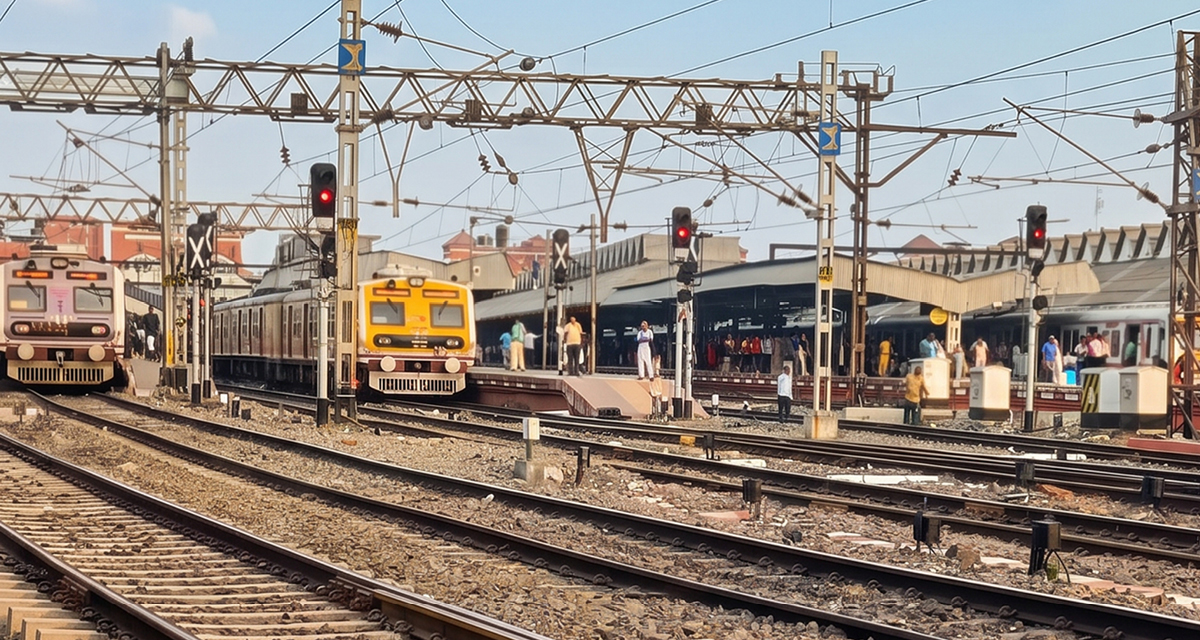
Reliable train detection in flood-prone Howrah Yard
Cutting delays through data-driven maintenance
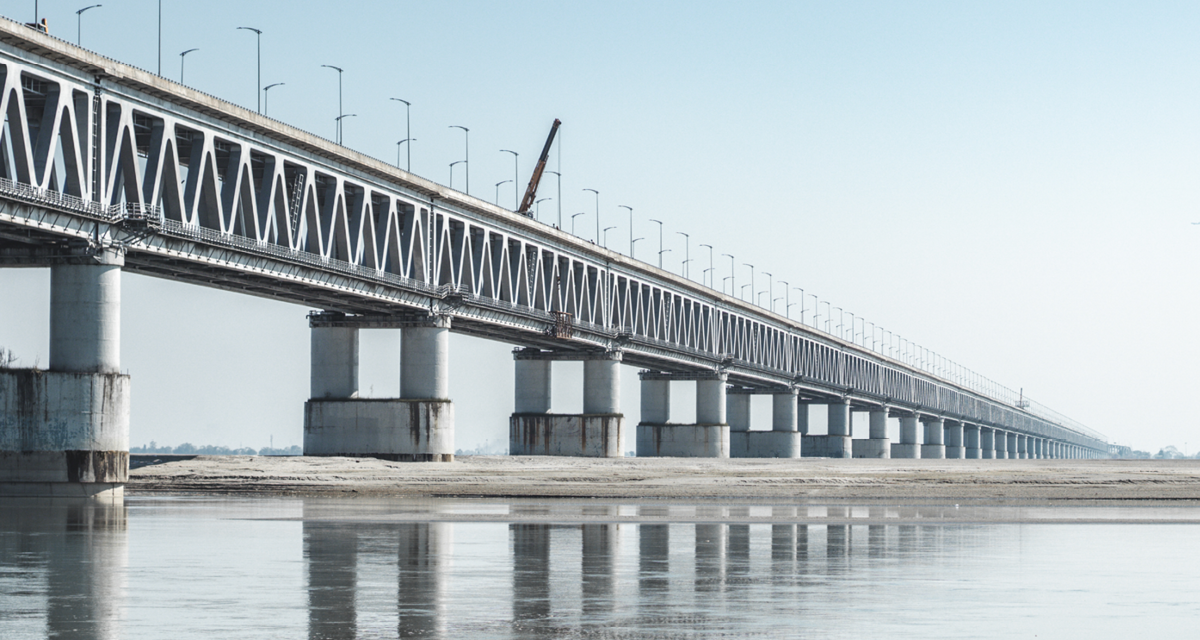
Ensuring reliable rail operations across India´s longest railroad bridge
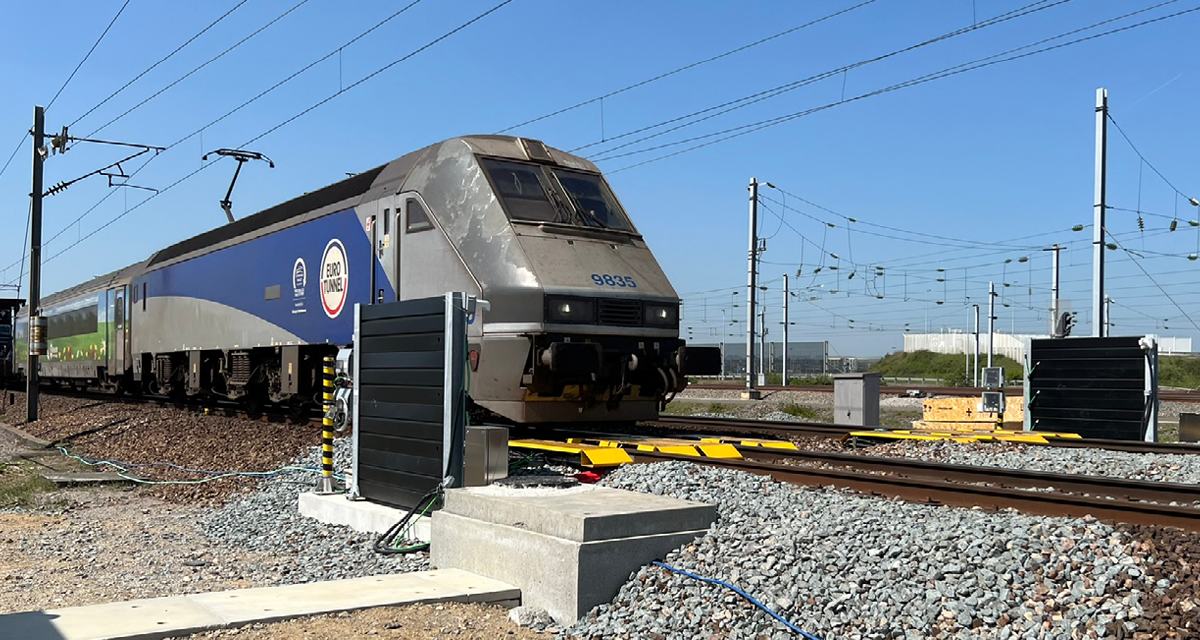
Axle counting adds fail-safe control to laser diagnostics
