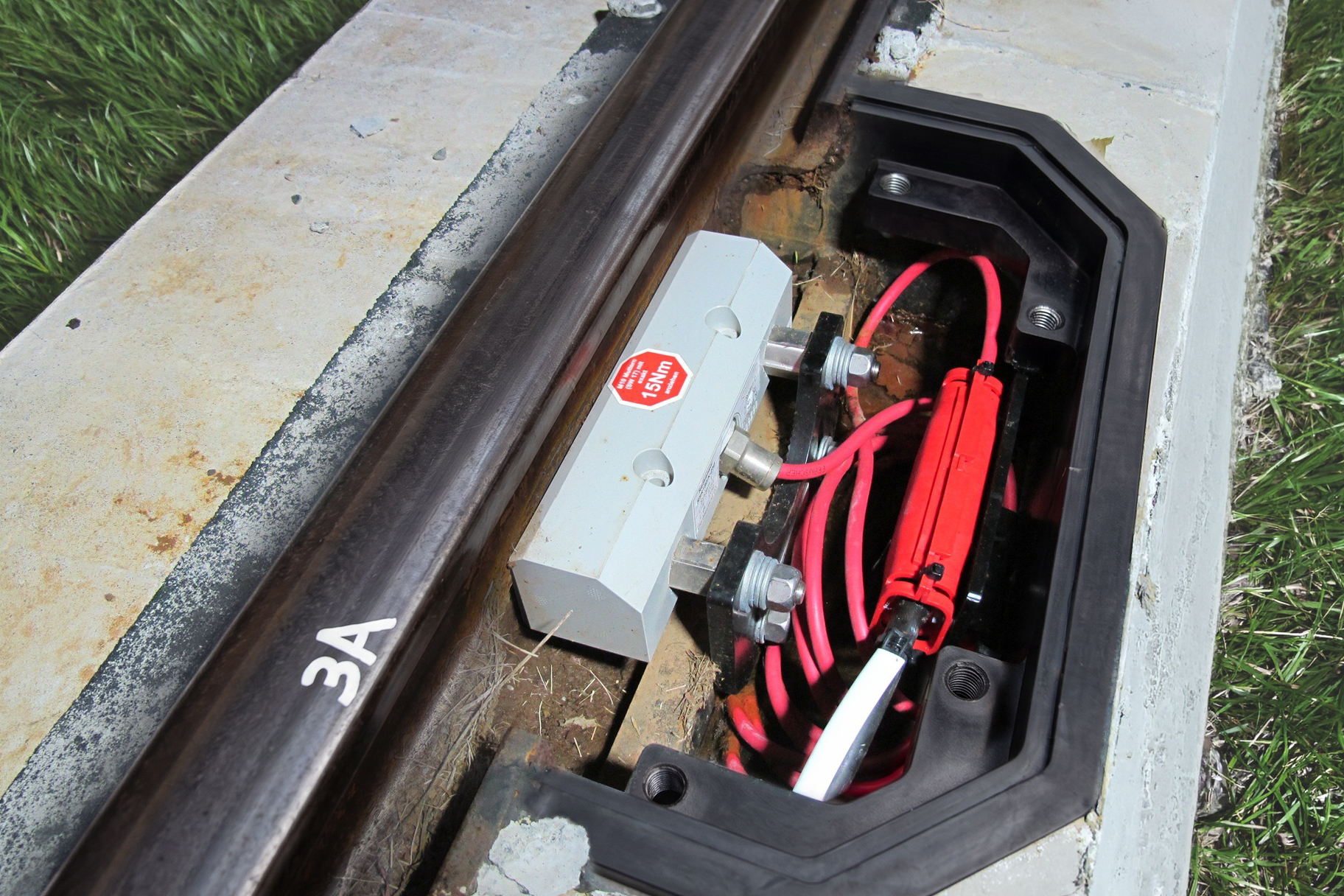
Wheel sensor is mounted on track using the SK420 rail clamp

Notification Center

Frauscher Marketing
Jul 08, 2026 | 7 min read
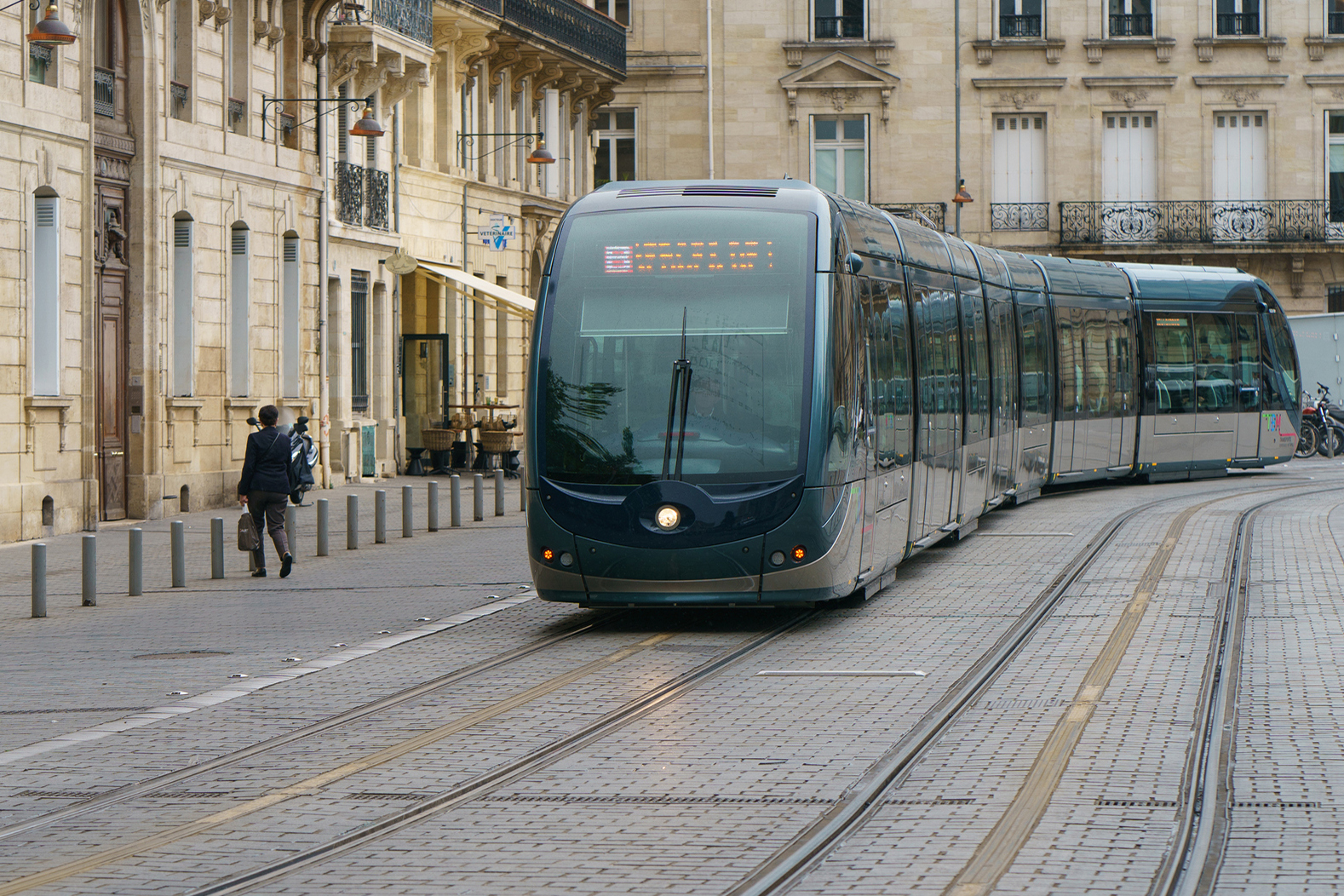
From Paris to Chengdu, urban planners are investing in tram systems as the backbone of sustainable city mobility — and that ambition is placing new demands on the signaling technology that keeps these networks safe. Tram detection is not simply a scaled-down version of heavy rail: it is a distinct engineering challenge, shaped by grooved rails, electromagnetic interference, city debris, and environmental conditions that conventional systems were not necessarily designed to handle. Frauscher has spent more than a decade developing solutions designed specifically for this ecosystem, deploying axle counting technology across tram networks globally.
The urban environment that makes trams so attractive to passengers is precisely what makes reliable train detection via axle counters using inductive wheel sensors challenging – but doable. Tram tracks run through city streets where grooved and embedded rails are standard, metal debris accumulates near sensors, level crossings multiply the variables, and stations regularly flood in heavy rainfall. Electromagnetic interference from traction systems, vibration, road-level installation constraints, and the interaction of trams with mixed urban traffic all place demands on detection technology that conventional signaling systems were not necessarily designed to meet.
Inductive axle counting overcomes these limitations by detecting the wheel of a vehicle directly, using electromagnetic principles that are inherently resistant to the interference patterns found in electrified urban environments. The Frauscher Advanced Counter FAdC, certified to CENELEC SIL 4, forms the core of Frauscher's tramway offering. Its modular architecture, configurable communication interfaces, and intelligent software functions allow it to adapt to the infrastructure, protocols, and operational requirements of each network and a wide range of rolling stock — without compromising safety. Trackside, the wheel sensor is mounted using the SK420 rail clamp — the optimal solution for embedded and grooved rails that requires no drilling.
The depth of Frauscher's tramway experience is best understood through the projects themselves. Each deployment has addressed a distinct challenge, and together they trace the development of an axle counting system that has become a global standard for urban rail detection.
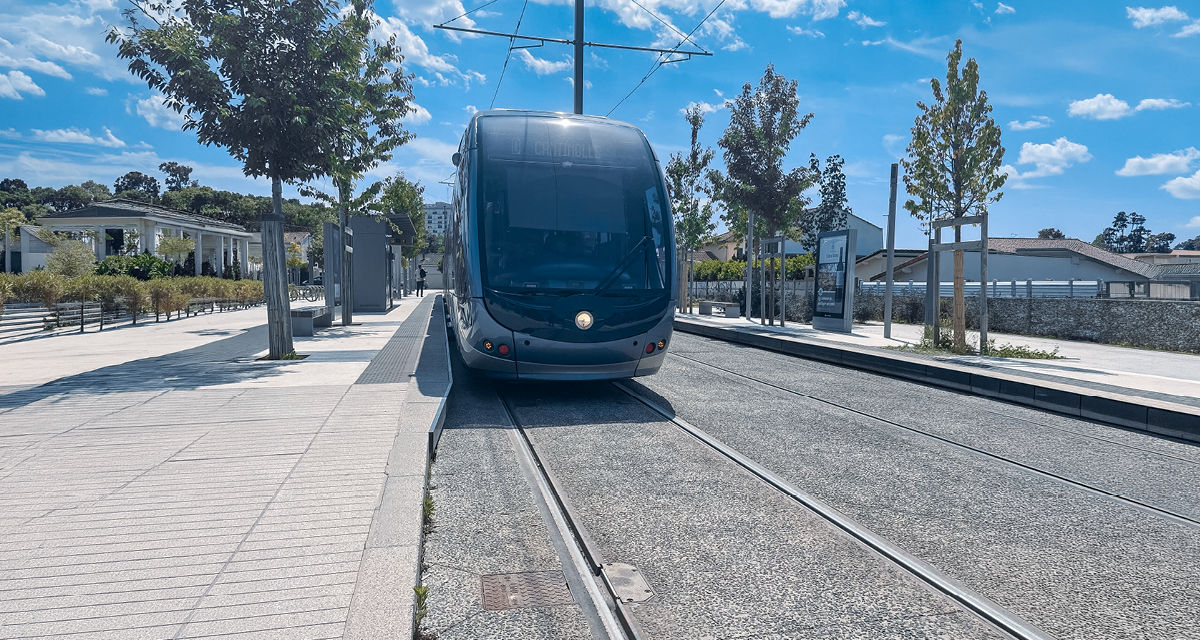
In Bordeaux, France, the Line D extension became the inaugural French tram system equipped with a Frauscher axle counting solution. The line's single-track sections — where trams operate bi-directionally without line-of-sight as a fallback — demanded absolute confidence in track vacancy detection. The FAdC was deployed alongside the Frauscher Wheel Sensor RSR180 to meet SIL 4 requirements, and a key innovation entered revenue service for the first time: Counting Head Control, or CHC. This patented feature allows certain counting heads to enter standby mode under defined conditions, suppressing false occupancy signals caused by urban debris — soda cans, stray metal fragments — that accumulate on grooved rails. No additional hardware was required.
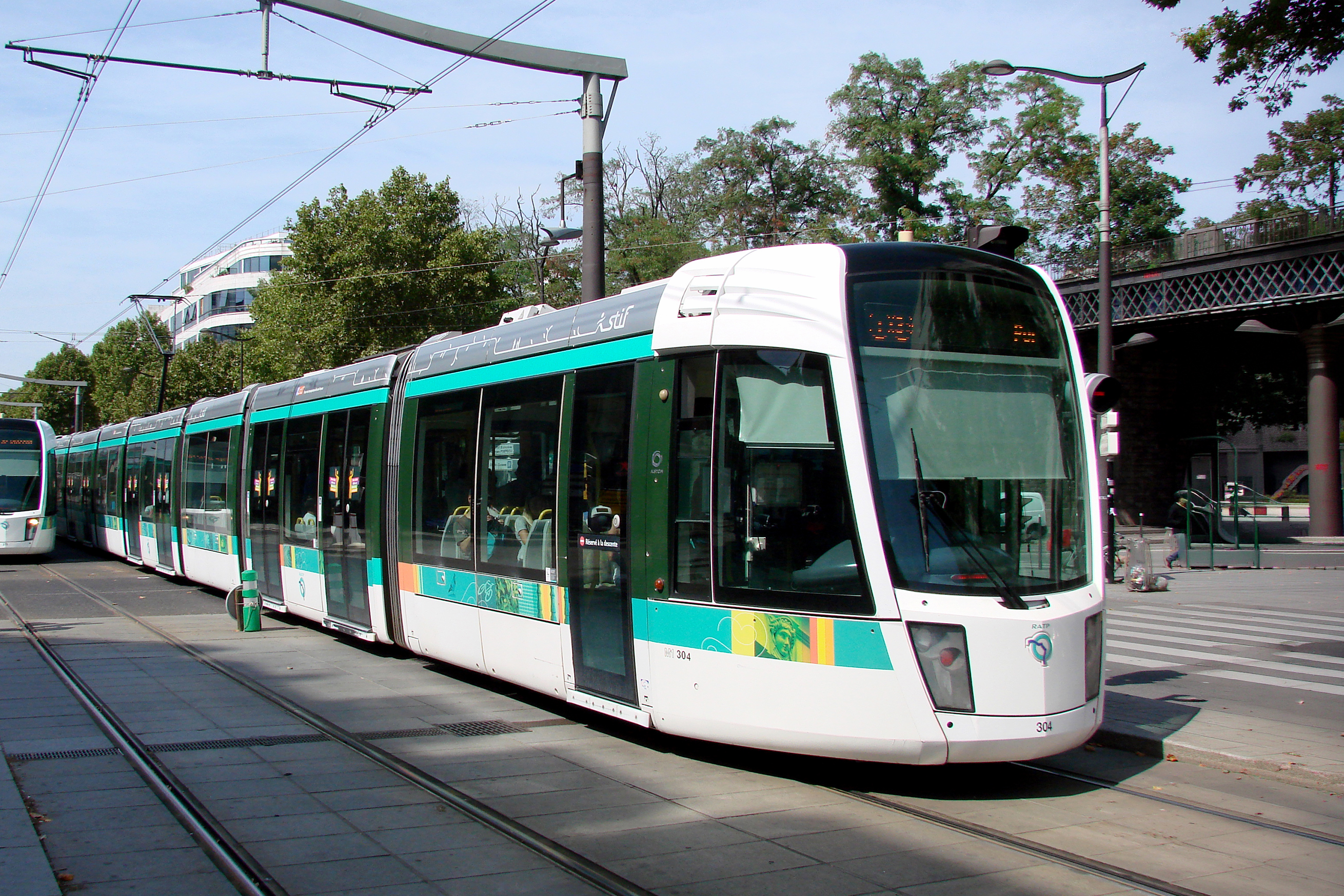
The scale of the challenge grew considerably with the Île-de-France tramway network operated by RATP. Serving more than one million passengers daily across 11 lines and over 100 kilometers of track in the Paris region, the network represented both a significant technical undertaking and a rigorous commercial gateway. RATP's certification and approval process is among the most demanding in European urban rail, encompassing six months of operational testing, a full RAMS analysis, design and production audits, and cross-acceptance validation. Frauscher completed the process successfully, with our FAdC axle counters and RSR180 wheel sensors installed at Line T8's depot in Villetaneuse becoming the reference installation for certification. This approval unlocked access to the entire Île-de-France tram network, establishing Frauscher as the standard axle counting solution for the region's ongoing expansion program.
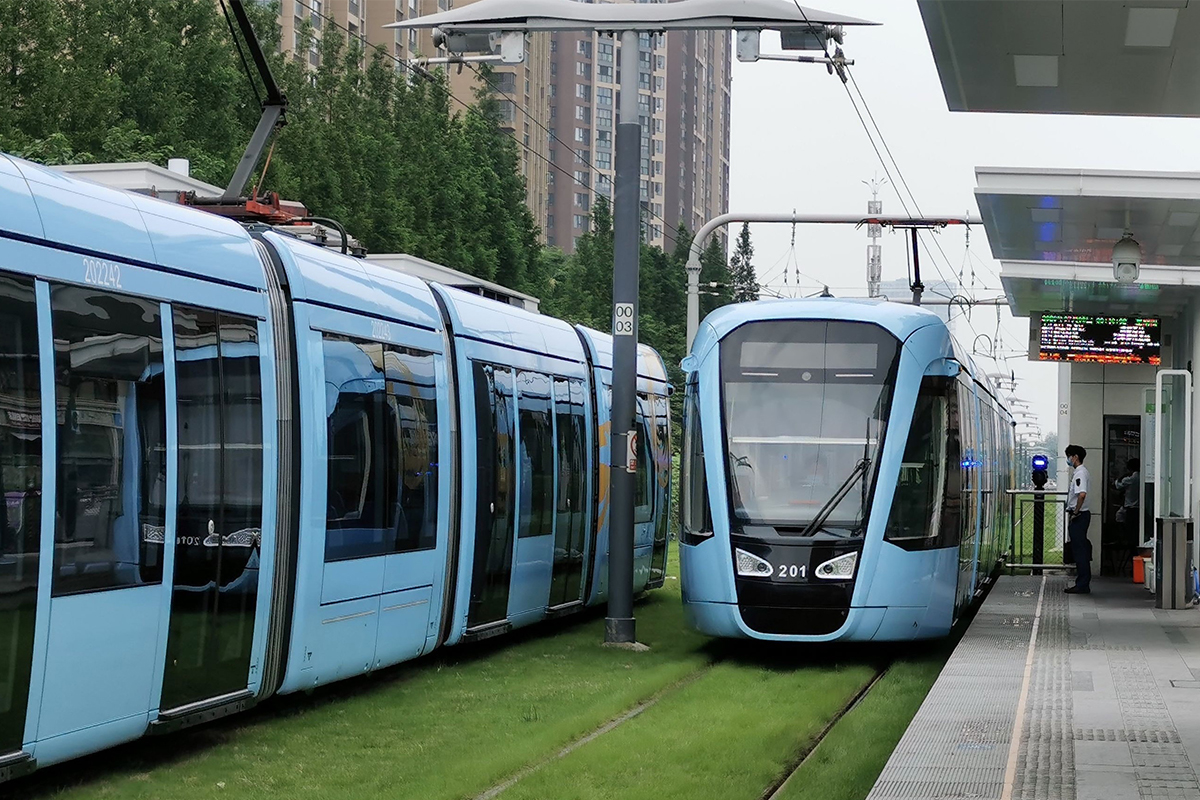
In China, Frauscher has built a substantial tramway reference base across multiple cities. Chengdu Tram Line 2 — the first in Chengdu and the first in China to deploy the FAdC put two intelligent functions to the test across a Y-shaped network of 39.3 kilometers and 47 stations. These include Counting Head Control (CHC) that suppresses false counts caused by debris on city-street tracks, and Supervisor Track Section (STS), that aggregates adjacent clear sections into a single management unit and enables automatic resets without manual intervention. Together, they reduce operational burden in dense urban environments where debris interference is a daily reality.
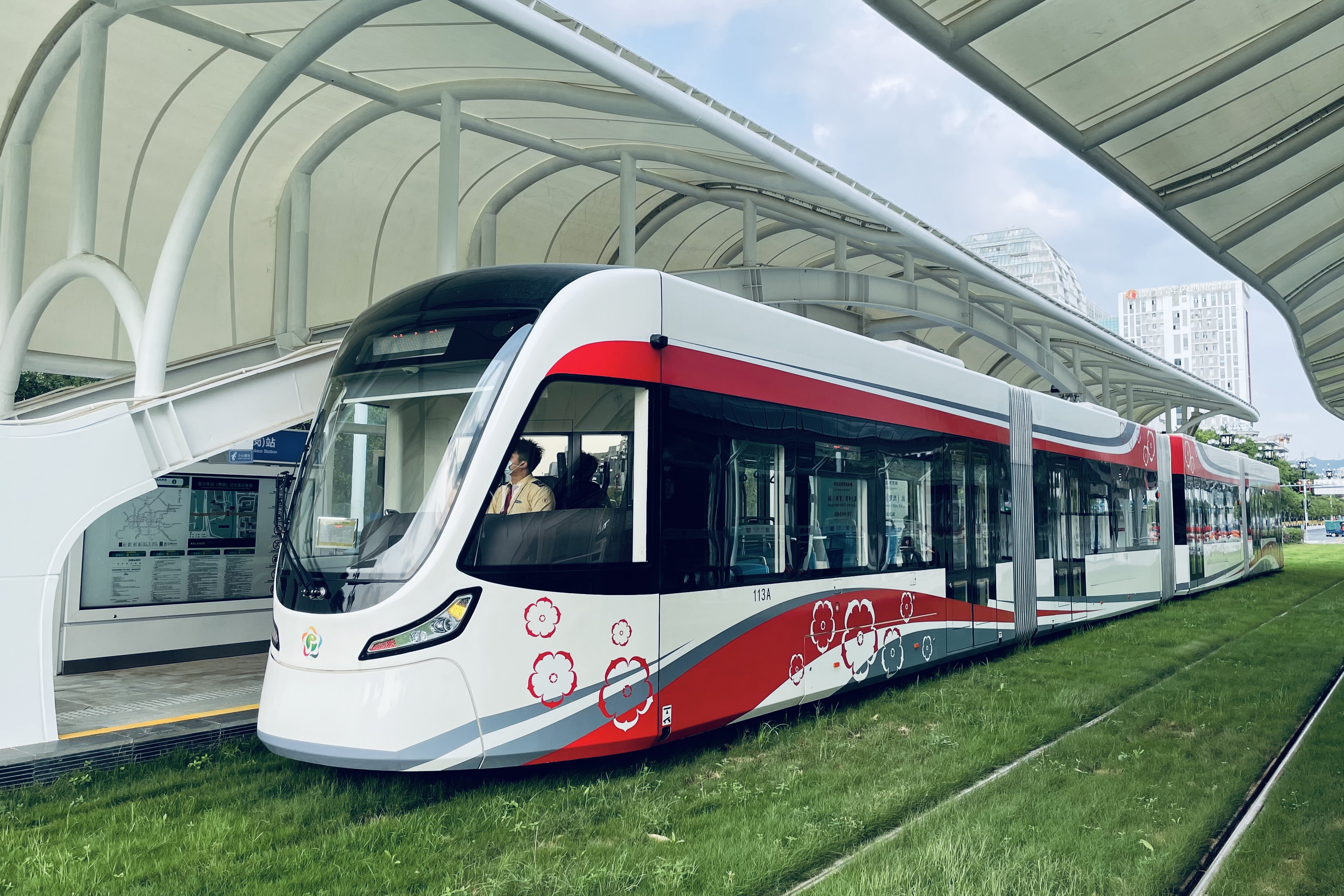
In Guangzhou, Huangpu, Line 1 addressed the combined demands of protocol flexibility and flood resilience. Integration with RSSP-I — China's Ministry of Railways standard — was made possible by the FAdC's configurable Ethernet interface. Chinese and Austrian teams collaborated to deliver a CENELEC SIL 4-certified COM-RSSP101 board for the first time. The RSR180's IP68 rating ensures reliable detection across 14.4 kilometers of track and 20 stations, despite frequent typhoon-driven flooding of the track bed.
These projects represent just a sample of Frauscher's tramway references worldwide. From Taiwan (Province of China), China to deployments across France, Algeria, Switzerland, and beyond, the FAdC has been proven across a broad range of networks, climates, and operating conditions.
The common thread running through Bordeaux, Paris, Chengdu, and Kaohsiung is not simply a shared product — it is a shared approach. Frauscher's tramway solutions are built around a modular system that can adapt its interfaces, configure its intelligent functions, and meet the environmental and safety requirements of each network without architectural compromise.
The Frauscher Diagnostic System FDS already supports operators with detailed event logs and local troubleshooting, while Frauscher Insights represents the next step: a diagnostic platform that enables proactive maintenance rather than reactive intervention. By identifying potential issues before they affect operations, it helps reduce downtime — an essential advantage in high-frequency urban environments where every unplanned disruption has an immediate impact on passengers and city mobility.
As tram networks expand into denser urban areas and operators seek greater service frequency with lower operational costs, the demand for detection systems that are safe, resilient, and intelligent will only grow. Frauscher is positioned to supply systems that meet these requirements as a partner for confidence throughout the entire lifecycle of the network.
Share this post
Get in touch with our team!
Interested in how Frauscher's axle counting solutions can support your project?
Share this post
Get in touch with our team!
Interested in how Frauscher's axle counting solutions can support your project?